Product Center
Navigation
Product Categories
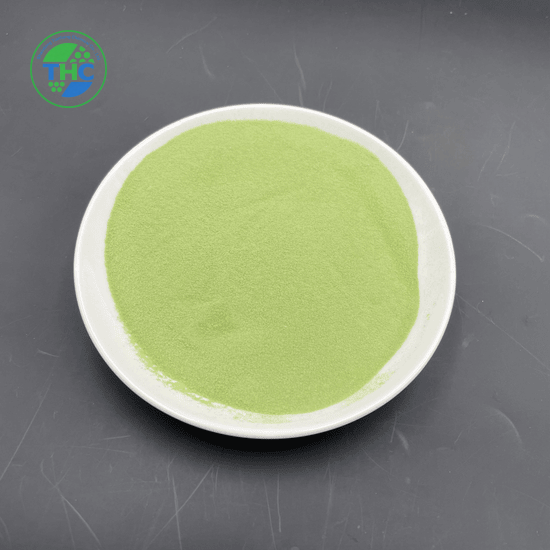
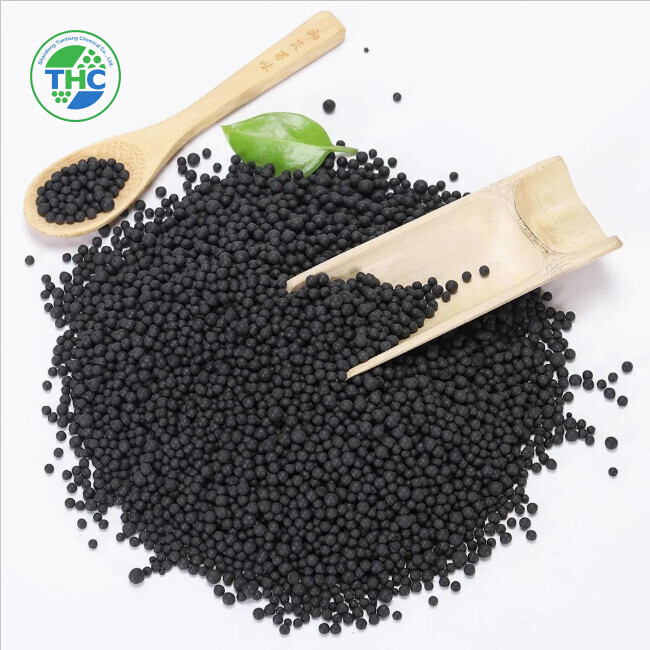
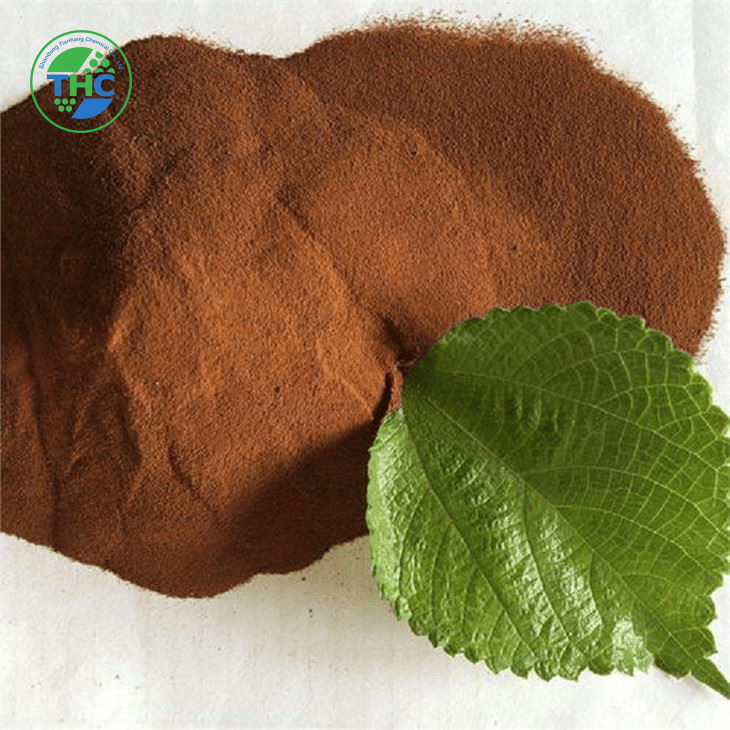
 Organic And lnorganic Compound FertilizerAmino acid organic fertilizer is derived or fermented from natural organic materials, rich in amino acids and various nutrients essential for plant growth.
 Foliar FertilizerAmino acid water soluble fertilizer is a kind of fertilizer which can be directly absorbed and utilized by crops. It can promote photosynthesis and the formation of chlorophyll, and significantly promote and activate physiological and biochemical processes such as oxide activity, enzyme activity, seed germination, nutrient absorption, root growth and development.
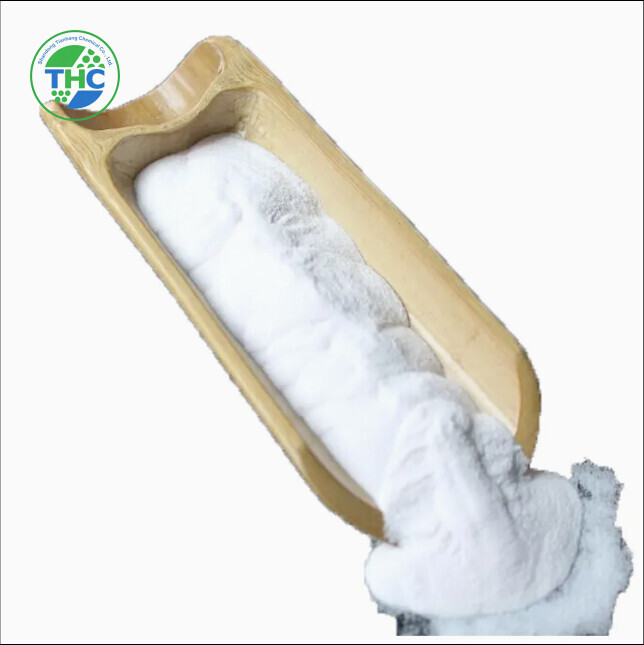
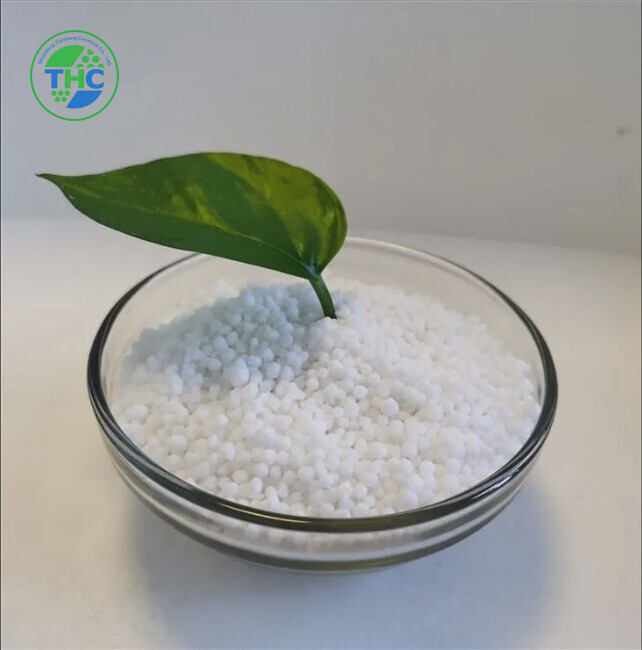
 Calcium Ammonium NitrateSuitable for a variety of soil and crops, widely used in greenhouse and field planting food crops, economic crops, flowers, fruit trees, vegetables and so on. The nitrate nitrogen in calcium ammonium nitrate can be quickly dissolved in water and directly absorbed by plants. Suitable for base fertilizer, seed fertilizer and topdressing fertilizer.
Send Us A Message
Product Parameters
Chemical Properties Of Ethanol 64-17-5
Safety Information Of Ethanol 64-17-5
Product Application Of Ethanol 64-17-5
Medical
- A solution of 70-85% of ethanol is commonly used as a disinfectant and it kills organisms by denaturing their proteins and dissolving their lipids.
- It is effective against most bacteria and fungi, and many viruses, but is ineffective against bacterial spores. This disinfectant property of ethanol is the reason that alcoholic beverages can be stored for a long time. Ethanol also has many medical uses, and can be found in products such as medicines, medical wipes and as an antiseptic in most antibacterial hand sanitizer gels.
Ethanal can also be used as antidote. It competitively blocks the formation of toxic metabolites in toxic alcohol ingestions by having a higher affinity for the enzyme Alcohol Dehydrogenase (ADH). Its chief application is in methanol and ethylene glycol ingestions. Ethanol can be administered by the oral, nasogastric or intravenous route to maintain a blood ethanol concentration of 100-150 mg/dl (22-33 mol/L).
Fuel
- Ethanol is flammable and burns more cleanly than many other fuels. Ethanol has been used in cars since Henry Ford designed his 1908 Model T to operate on alcohol. In Brazil and the United States, the use of ethanol from sugar cane and grain as car fuel has been promoted by government programs.
- The Brazilian ethanol program started as a way to reduce the reliance on oil imports, but it was soon realized that it had important environmental and social benefits. The fully combusted products of ethanol are only carbon dioxide and water.
- For this reason, it is environmental friendly and has been used to fuel public buses in the US. However, pure ethanol attacks certain rubber and plastic materials and cannot be used in unmodified car engines.
- The alcohol-based alternative fuel that is blended with gasoline to produce a fuel with a higher octane rating and fewer harmful emissions than unblended gasoline. A mixture containing gasoline with at least 10% ethanol is known as gasohol. Specifically, gasoline with 10% ethanol content is known as E10.
- Another common gasohol variant is E15, which contains 15% ethanol and 85% gasoline. E15 is only appropriate for use in Flex Fuel vehicles or a very small percentage of the newest vehicles. In addition, E85 is a term used for a mixture of 15% gasoline and 85% ethanol. E85 keeps the fuel system clean because it burns cleaner than regular gas or diesel and doesn’t leave behind gummy deposits.
- Beginning with the model year 1999, a number of vehicles in the U.S. were manufactured so as to be able to run on E85 fuel without modification. These vehicles are often labeled dual fuel or flexible fuel vehicles, since they can automatically detect the type of fuel and change the engine’s behavior to compensate for the different ways that they burn in the engine cylinders.
- The use of ethanol-diesel fuel blends is growing around the world, and are designed to provide renewable, cleaner burning fuel alternatives for off-road equipment, buses, semi-trucks and other vehicles that run on diesel fuel. With the addition of ethanol and other fuel additives to diesel, the characteristic black diesel smoke is eliminated and there are significant reductions in particulate matter, carbon monoxide, and nitrogen oxide emissions.
It is also possible to use ethanol for cooking as a replacement for wood, charcoal, propane, or as a substitute for lighting fuels, such as kerosene.
Brazil and the United States lead the industrial production of ethanol fuel, accounting together for 89% of the world’s production in 2008. In comparison with the USA and Brazil, Europe ethanol for fuel production is still very modest. Brazil is the world’s second largest producer of ethanol fuel and the world’s largest exporter.
Beverage
Significant volumes of ethanol are produced for the beverage and industrial markets from agricultural feedstock. Ethanol produced for these industries differs from ethanol for fuel only in its strength, which can vary between 96% and 99.9% and in its purity, depending on the end use. Beverage and drinks industry may be the best-known end-user of ethanol. It is used to make many kinds of spirits, such vodka, gin and anisette. High standards and processes are required for ethanal used in the production of spirit drinks.
Others
The ethanol used as an intermediary product by the chemical, pharmaceutical or cosmetics industry is in many cases of the highest and purest possible quality. These are premium markets due to the additional steps in the alcohol production process that are necessary to achieve the required purity. Same high standards and purity requirements apply in food industry, such as flavors and aromas extraction and concentrations, as well as paints and thermometers. Ethanol can be used in de-icer or anti-freeze to clear the car windscreen. It also is contained in perfumes, deodorants, and other cosmetics.
Product Display
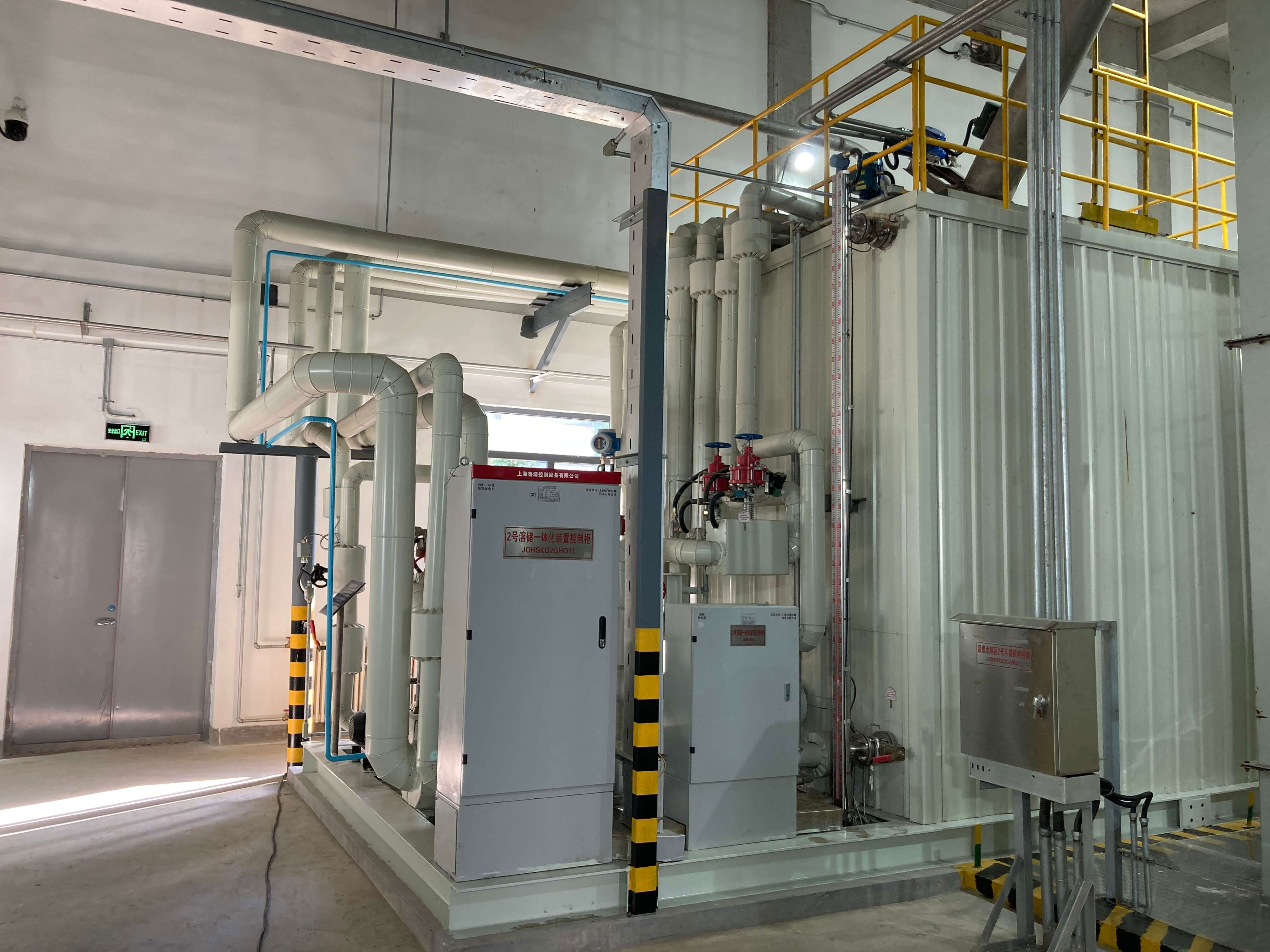
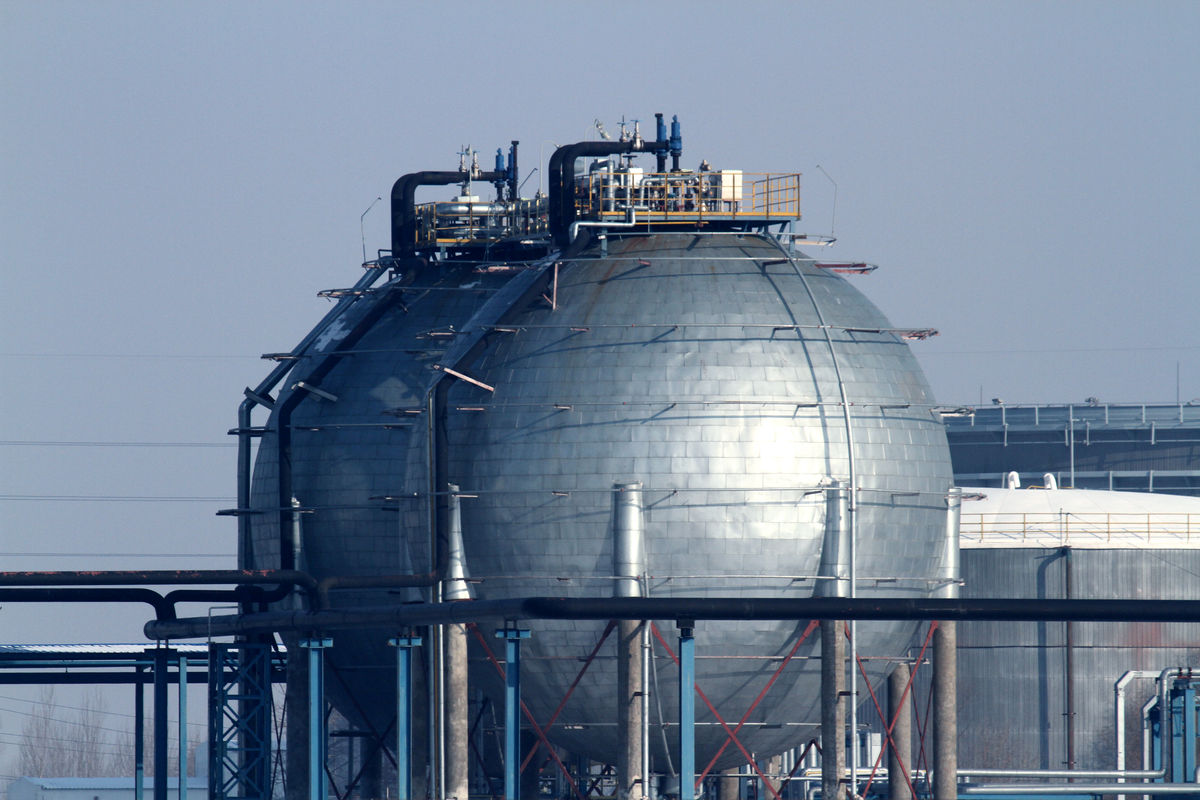
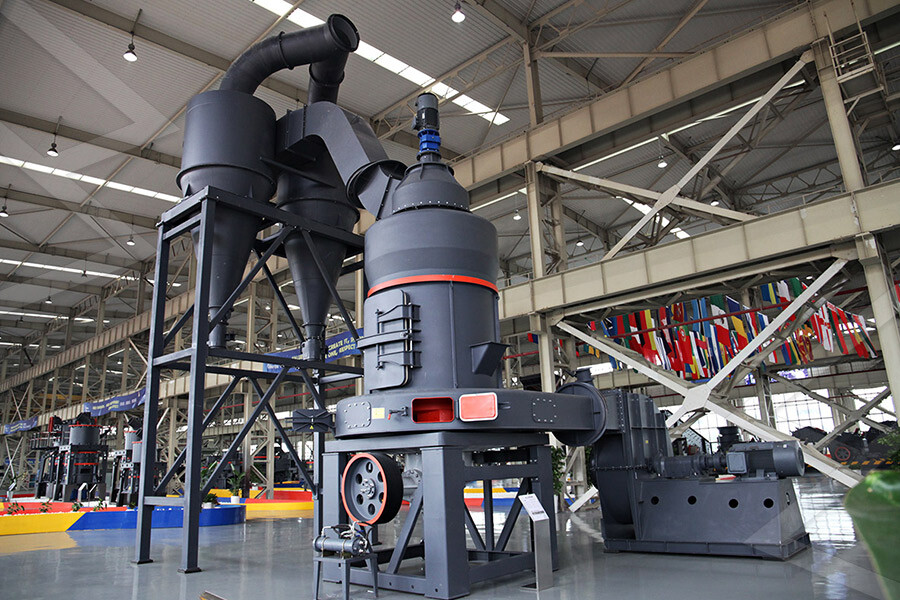
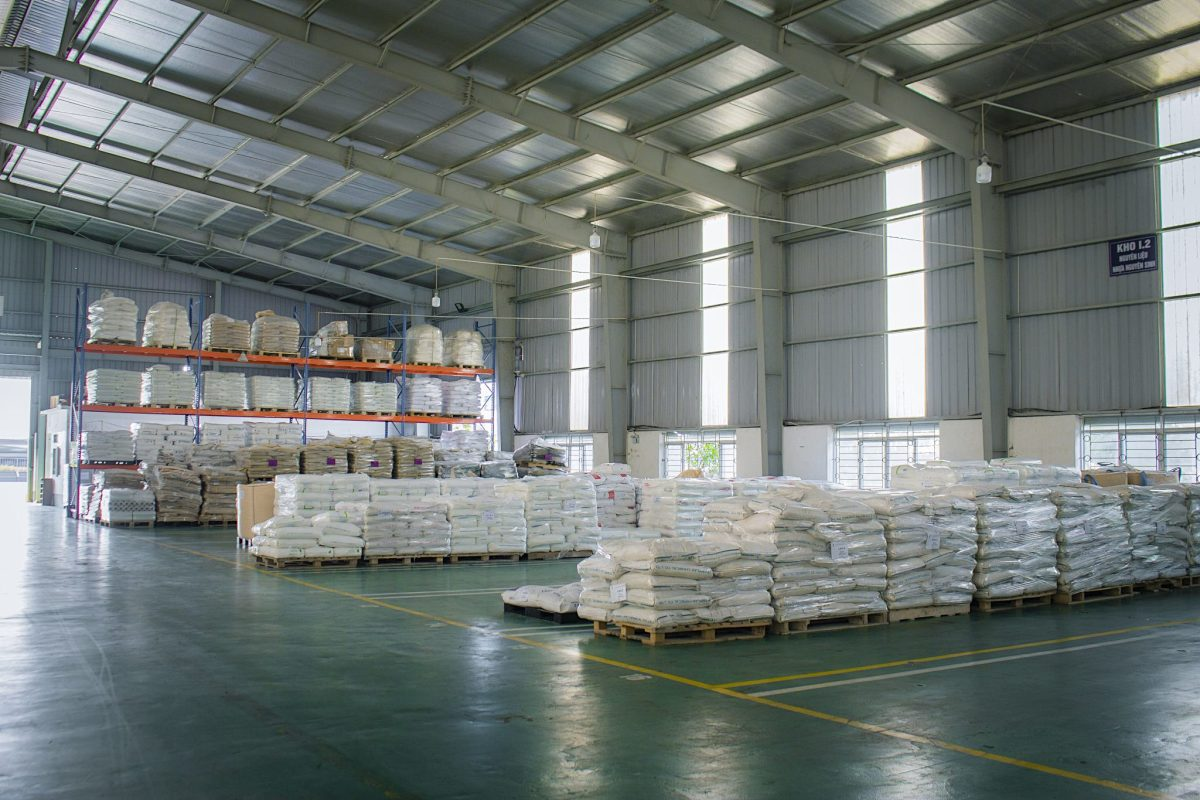
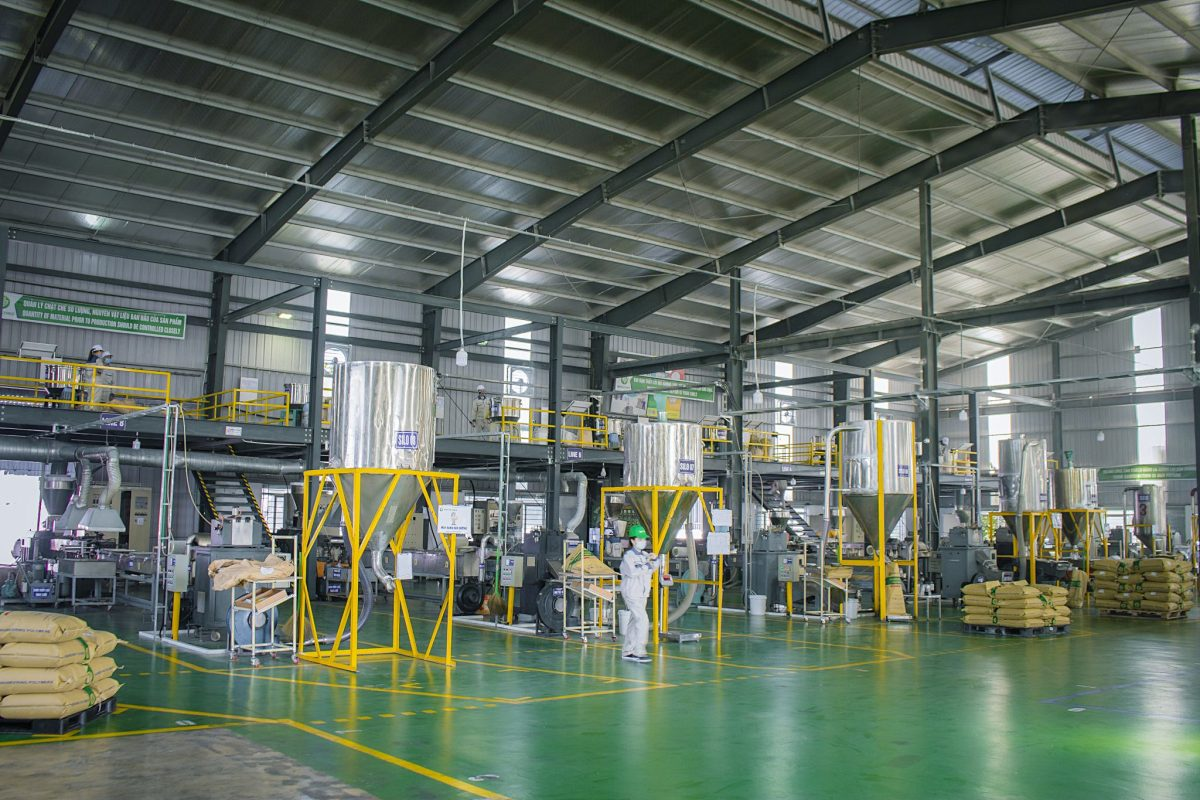
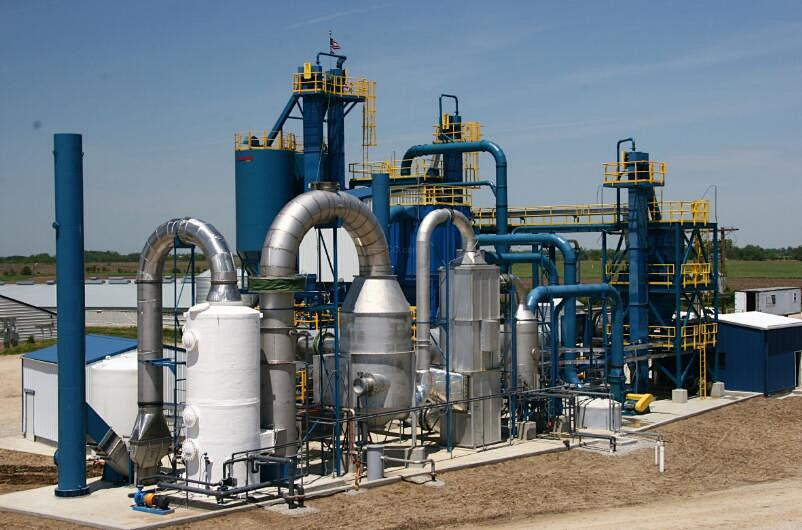
Factory Display
FAQ
Q: Are you a factory or a trading company?
A: We are a company integrating manufacturing and trading.
Q: Can you provide samples for testing before mass production?
A: Of course, we can send you samples for free, and we also attach COA, but for the sample shipping fee, our company can't afford it!
Q: How can I get an accurate quotation?
A: Please tell us the accurate product specifications, particle size, color, and your use, and we will provide you with an accurate quotation.
Q: Can you provide COA?
A: Of course, we can provide it, but only ordinary products, if you want an accurate COA, we need to produce samples. After testing, provide an accurate COA.
Q: Can you accept OEM (special specifications, sizes)?
A: Of course, we can customize according to different requirements of customers, not only that, we can also design packaging according to your requirements.
Q: If I know the use, but don't know the exact specifications, can you provide an exact quotation?
A: Of course, we will recommend products according to your usage, please trust us.
Q: Can I visit your factory before placing a large order?
A: Of course. Welcome at any time.
Q: Can you customize the packaging?
A: Of course, we can customize the packaging according to the pictures provided by customers.
Q:What is the payment terms of your company?
A: T/T,L/C at sight,Western Union,Paypal.
Please Contact Us
Product Recommendation